1. Cabin survey
Before anything is touched, the crew looks over the interior for sharp objects, hidden pooling and personal belongings.
Licking, MO · Texas County
Dried blood on a seat or vomit in the back of a van in Licking? Call (877) 812-4220. Crews clean, disinfect and remove stained upholstery, then leave the interior safe to sit in again.
If anyone is in danger, call 911 first. For a suicide crisis, call or text 988.
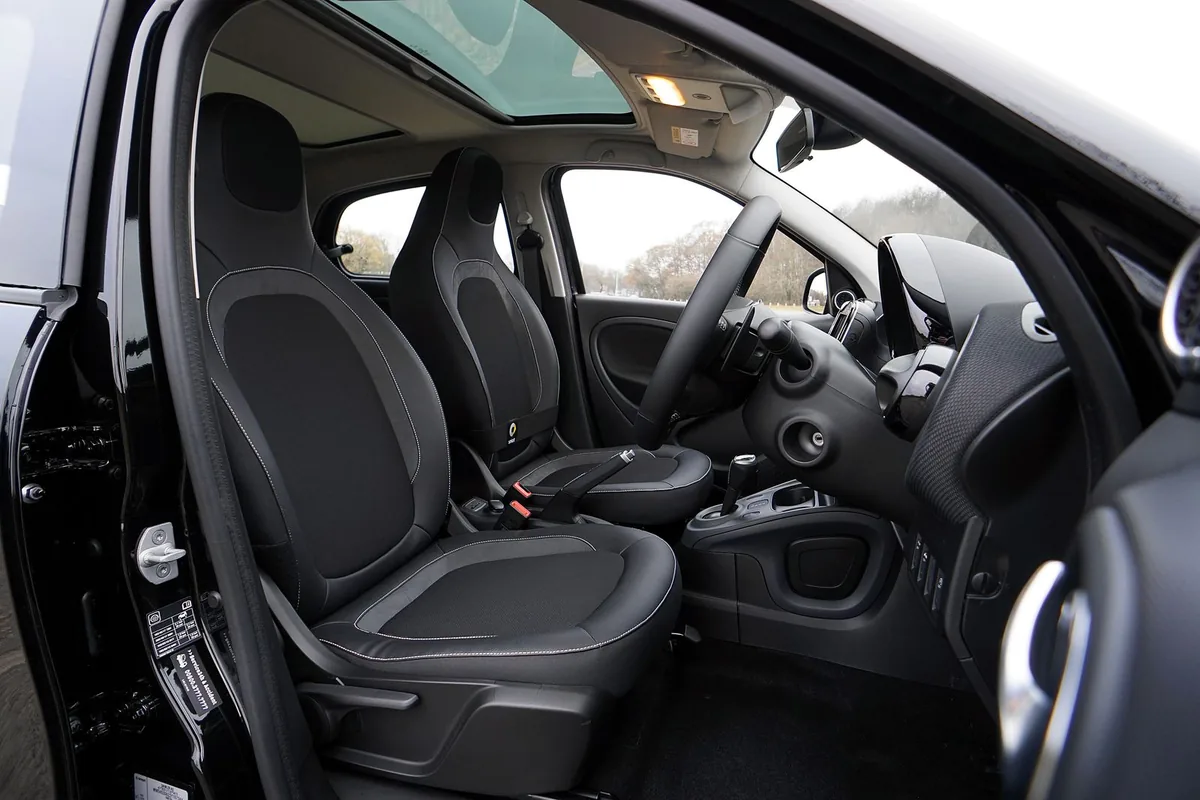
Biohazard cleaning for vehicles also includes odor removal. Smells from body fluids or decomposition cling to foam, headliners and ventilation, so treatment targets the source and the air system.
Cars, trucks, vans and buses in Licking can get biohazard car cleaning when you call Licking Biohazard Cleanup Help. Cleaners follow the OSHA Bloodborne Pathogens Standard, wear PPE and use EPA-registered disinfectants.
With about 46 inches of rain a year in Licking, damp air and leaks can feed mold in a contaminated vehicle that was left sitting. The nearest emergency room, Texas County Memorial Hospital in Houston, is about 15 miles away. Call 911 for injuries first; cleanup comes after.
The work often covers:
Before anything is touched, the crew looks over the interior for sharp objects, hidden pooling and personal belongings.
Crews check how far fluid travelled into foam, carpet, door cavities and the floor pan, since the surface rarely shows the full picture.
Contaminated parts that cannot be saved come out. Surfaces that stay are cleaned layer by layer.
Bagged waste leaves with the crew. The interior is checked and the vehicle is returned for normal use.
Expect vehicle biohazard cleanup in Licking, MO to cost roughly $500 to $5,000, with the final price set after an on-site assessment.
Odor treatment is added when the smell has settled into fabric, foam or the ventilation system, because it takes extra products and time.
| Type of job | Typical range |
|---|---|
| Vehicle biohazard cleanup | $500 - $5,000 |
Published ranges only (BioCleaners Directory); every vehicle biohazard cleanup job in Licking is priced after an on-site look. Price drivers include type of interior materials, how serious the event was, time since the event, air system decontamination. Questions? Call (877) 812-4220.
A salvage vehicle is one an insurer has declared a total loss. Some are also tagged for contamination when blood or fluids were involved. Labels and rules vary, so ask the insurer or the state title office what applies to a specific vehicle.
Yes. Waste is lifted with protection, soaked materials are removed and surfaces are disinfected. Urine travels deep into foam, so seats may need to be taken out or replaced if the smell remains.
Yes, in most cases. Hard surfaces and many seats can be cleaned and disinfected. Foam, carpet and padding that soaked through are usually removed, because blood and odor stay in them.
Many auto insurance policies cover some losses that are not collisions, and some policies exclude cleanup. Only your policy and your insurer can say. Call before cleanup starts, take photos and keep every receipt.
Cleaning a biohazard car starts with protection: gloves, eye protection and a mask. Contaminated upholstery and padding are removed, hard surfaces are cleaned, and an EPA-registered disinfectant is used by the label. Heavy contamination is best left to a vehicle biohazard cleanup team.
Yes. Blood can carry bloodborne pathogens such as hepatitis B and HIV. Dried blood can still be hazardous, and enclosed cabins hold odor. That is why the area is cleaned with protection and disinfected.
Call (877) 812-4220 and describe what is in the vehicle.
Call (877) 812-4220